Strategic Positioning & Brand Mission
The fine dining seafood sector in Puglia is heavily saturated with rustic, traditional concepts. To successfully differentiate the brand, Alice - "anchovy" in Italian - was strategically engineered to reject these local culinary clichés. Positioned strictly as a premium, experiential dining asset, the brand leverages concepts like 'Sea Lounge' and 'Immersione nei sapori' (Immersion in Flavors). This explicitly signals to the market that Alice is not a conventional, transactional restaurant, but a sophisticated, sensory-driven hospitality experience tailored for an international demographic.
THE StyleBOARD
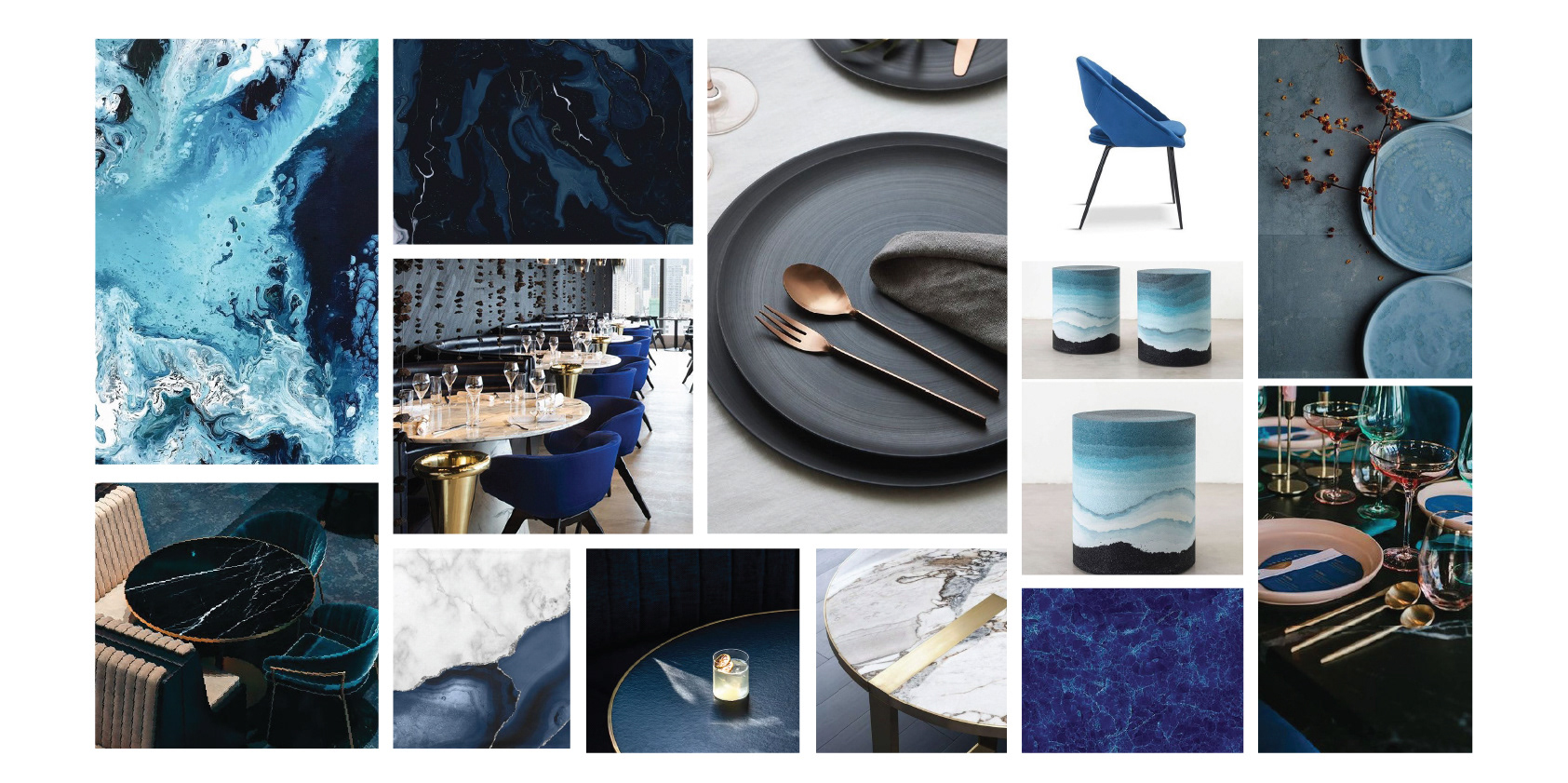
The project styleboard was engineered as a strict atmospheric constraint matrix. It codified the foundational material and textural parameters required to achieve the 'Sea Lounge' positioning. By isolating specific variables—such as fluid architectural geometries, deep oceanic color grading, and high-contrast, low-lux hospitality lighting—this blueprint acted as an objective reference point. It ensured all subsequent identity development remained rigidly anchored to international luxury standards, effectively neutralizing any drift toward local, rustic seafood tropes.
Verbal Identity
The verbal framework intentionally eschews standard, descriptive restaurant terminology in favor of proprietary, high-impact language. The deployment of the portmanteau 'SEANSATION' (Sea + Sensation) acts as a functional market differentiator. This concise conceptual anchor establishes a modern, disruptive tone, effectively separating the Alice brand from hyper-local competitors and aligning it with global luxury hospitality standards.
Secondary options
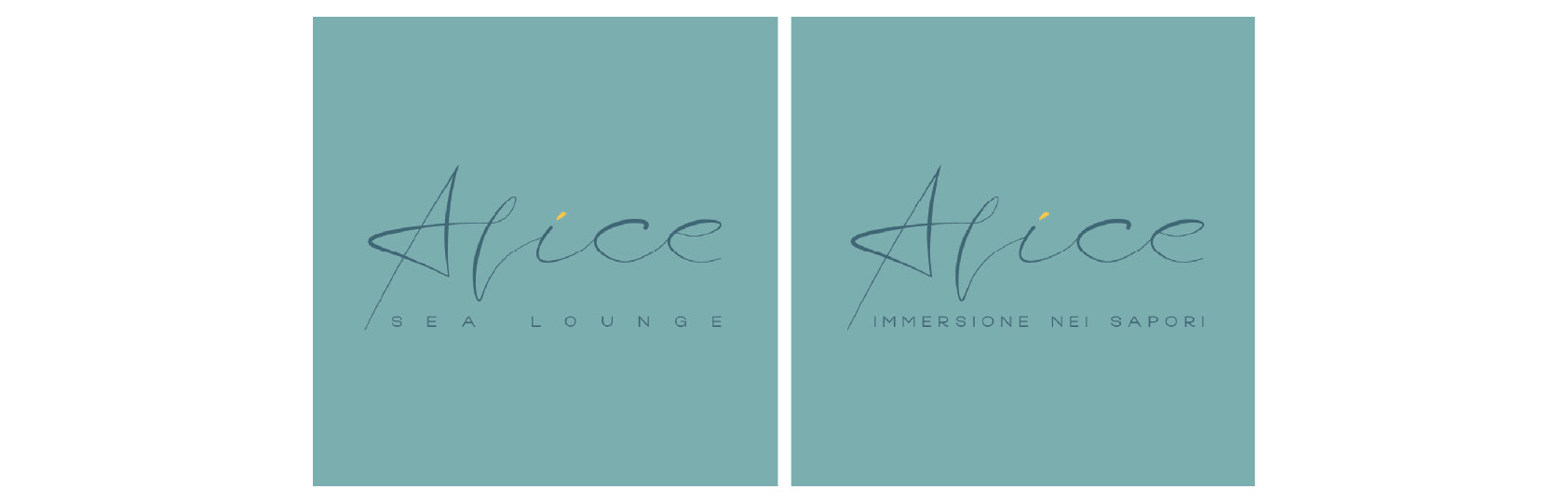
Main Logo
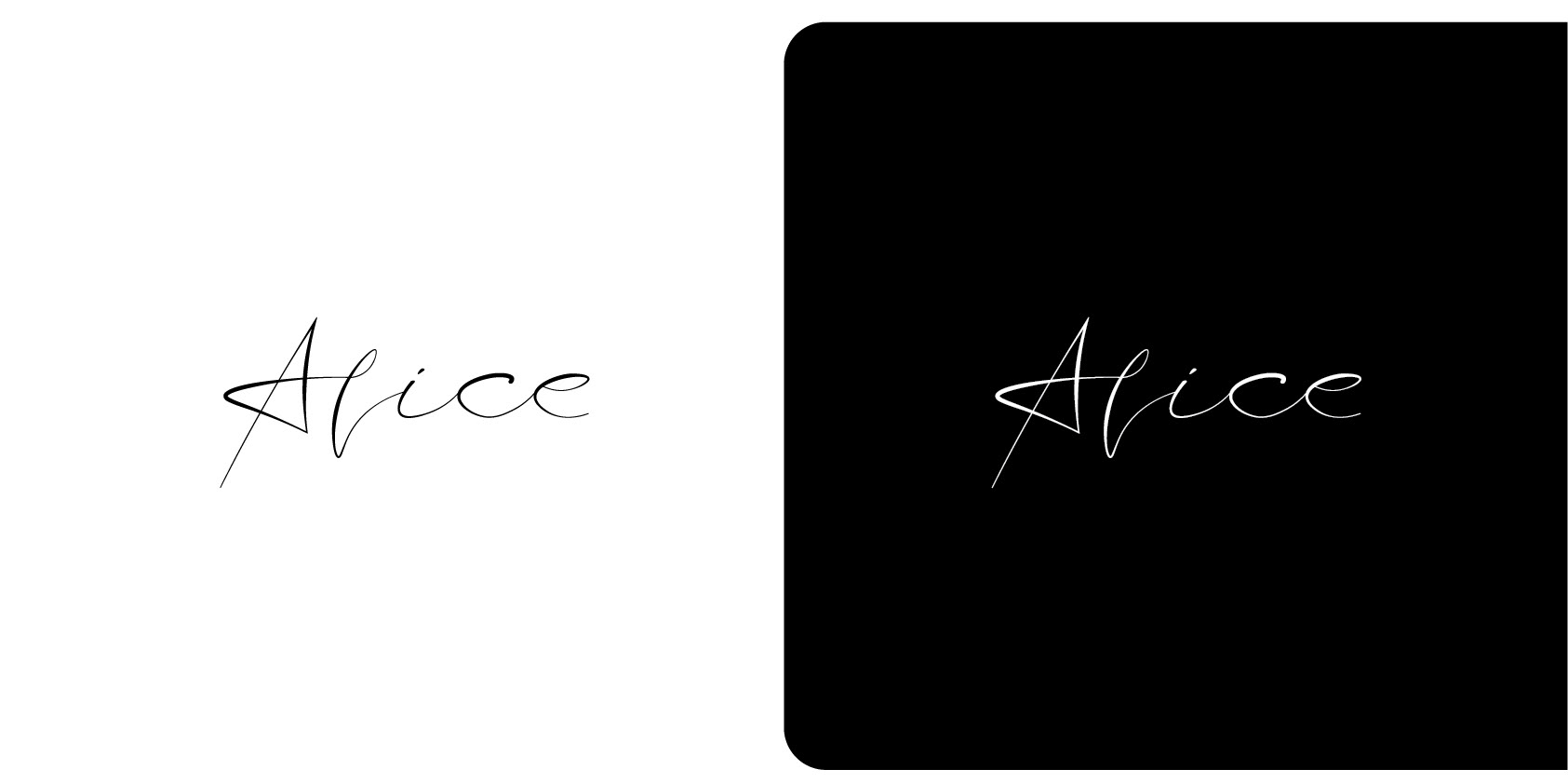
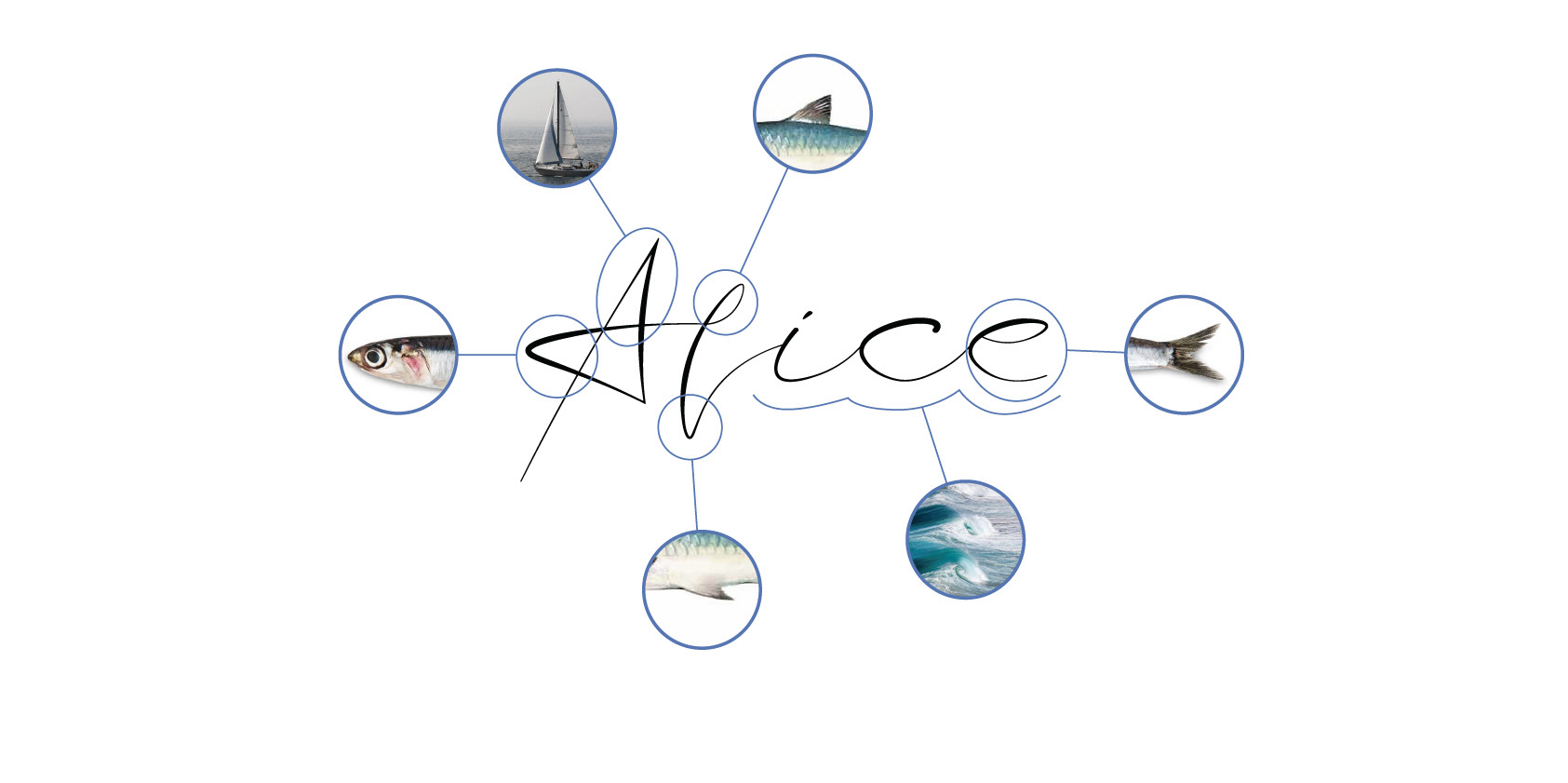
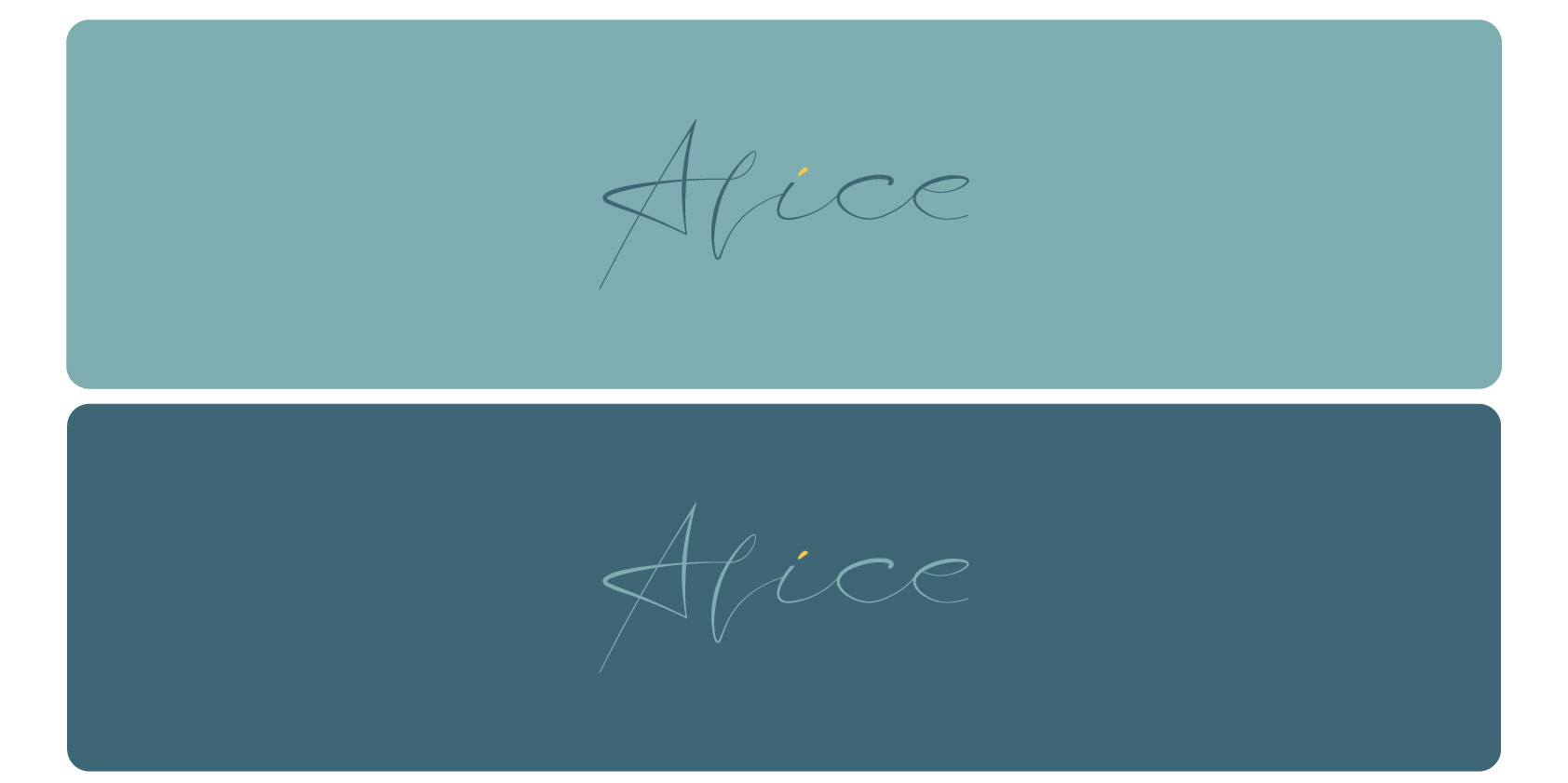
The bespoke logotype was developed not as a subjective calligraphic exercise, but as a functional composite of marine signifiers seamlessly integrated into the letterforms, meticulously arranged to form the anchovy shape through the use of an elevated handwritten lettering. Every structural curve serves a strategic communicative purpose:
Visual System & Mark Deconstruction
The 'A': The loop functionally mirrors the anatomical profile of the fish, while the ascender mimics the sharp geometry of a sailboat mast.
The "l": Integrate the distinct silhouettes of a dorsal and ventral fin..
The 'l', the 'c' and the 'e': Engineered to emulate fluid oceanic wave patterns, providing stability to the script.
The Terminal ('e'): Concludes the mark with the definitive shape of a fish tail, ensuring immediate industry recognition.
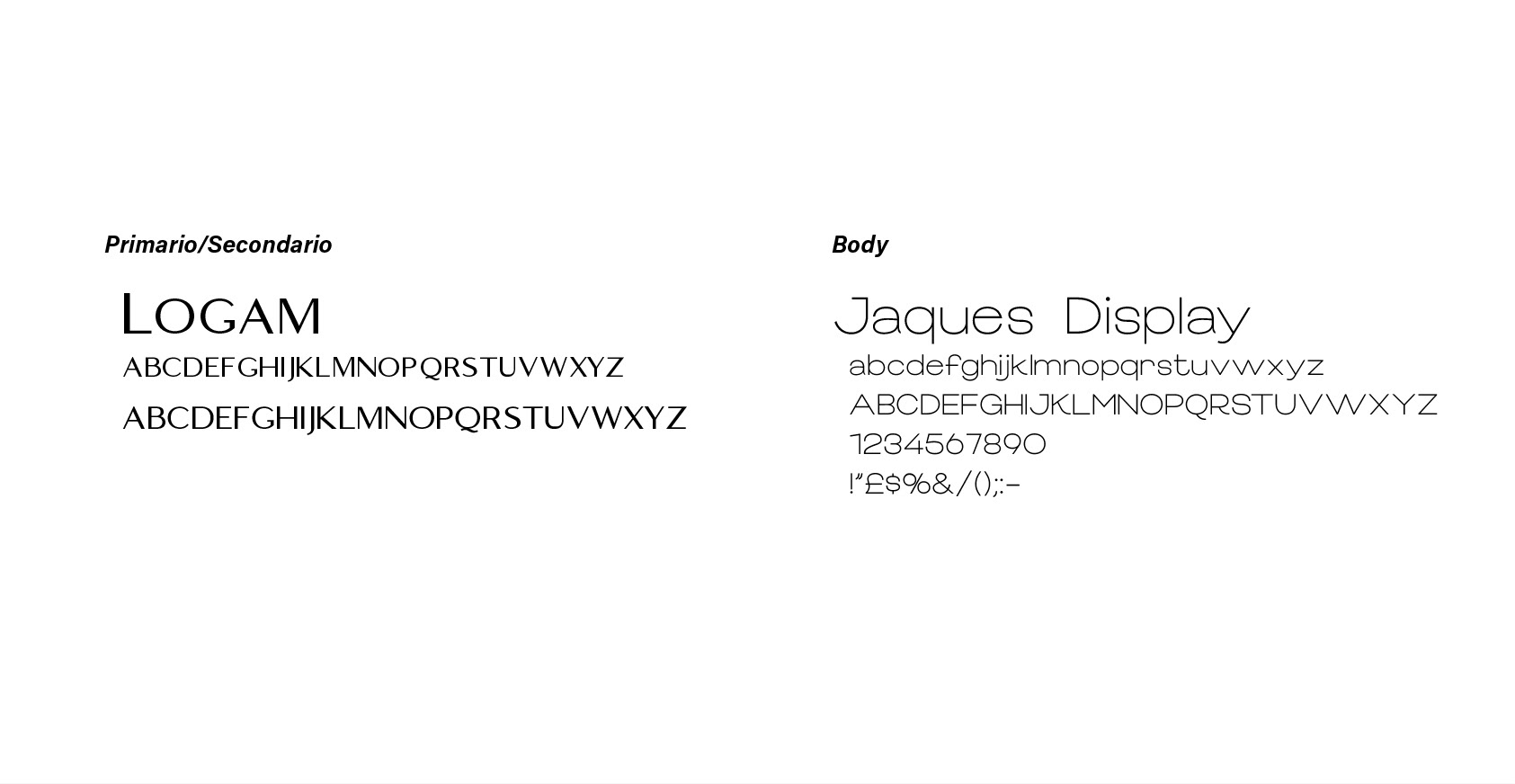
Typography
The brand employs a strict typographic hierarchy. The primary display 'Logam' font serve to establish architectural contrast and brand recognition, while the high-legibility serif 'Jaques Display' is mandated for functional body copy. This ensures critical menu readability under the low ambient lighting typical of fine dining environments.
Color System
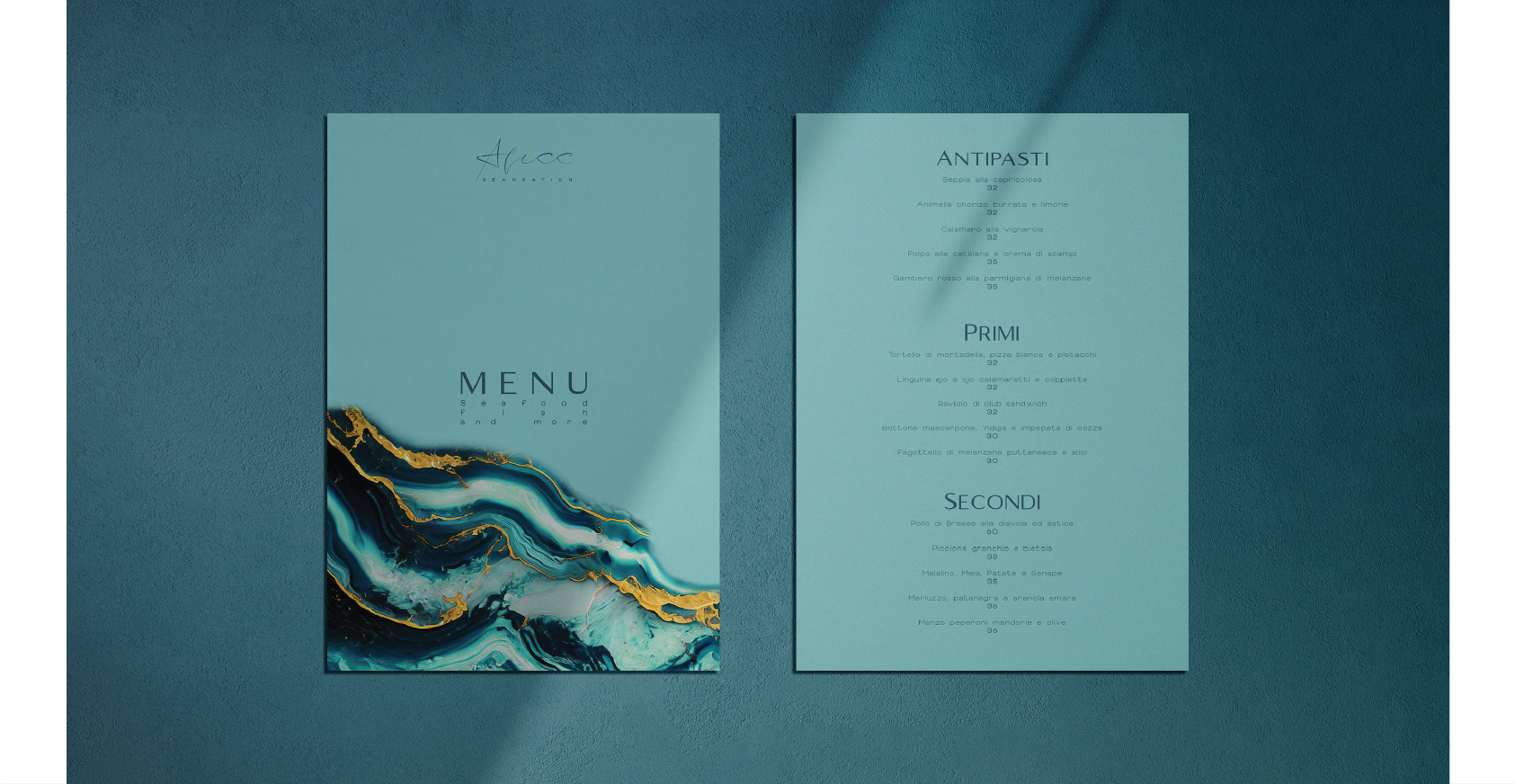
The palette functions as a tool for environmental mapping. Deep oceanic navy and aquatic blues anchor the marine context, while mandated metallic foil accents are utilized to elevate perceived value and directly communicate premium positioning, also recalling the typical dorsal golden strip found on the anchovy body.

Operational Execution
Translating the brand from digital vector to physical environment required rigorous stress testing across various hospitality touchpoints.
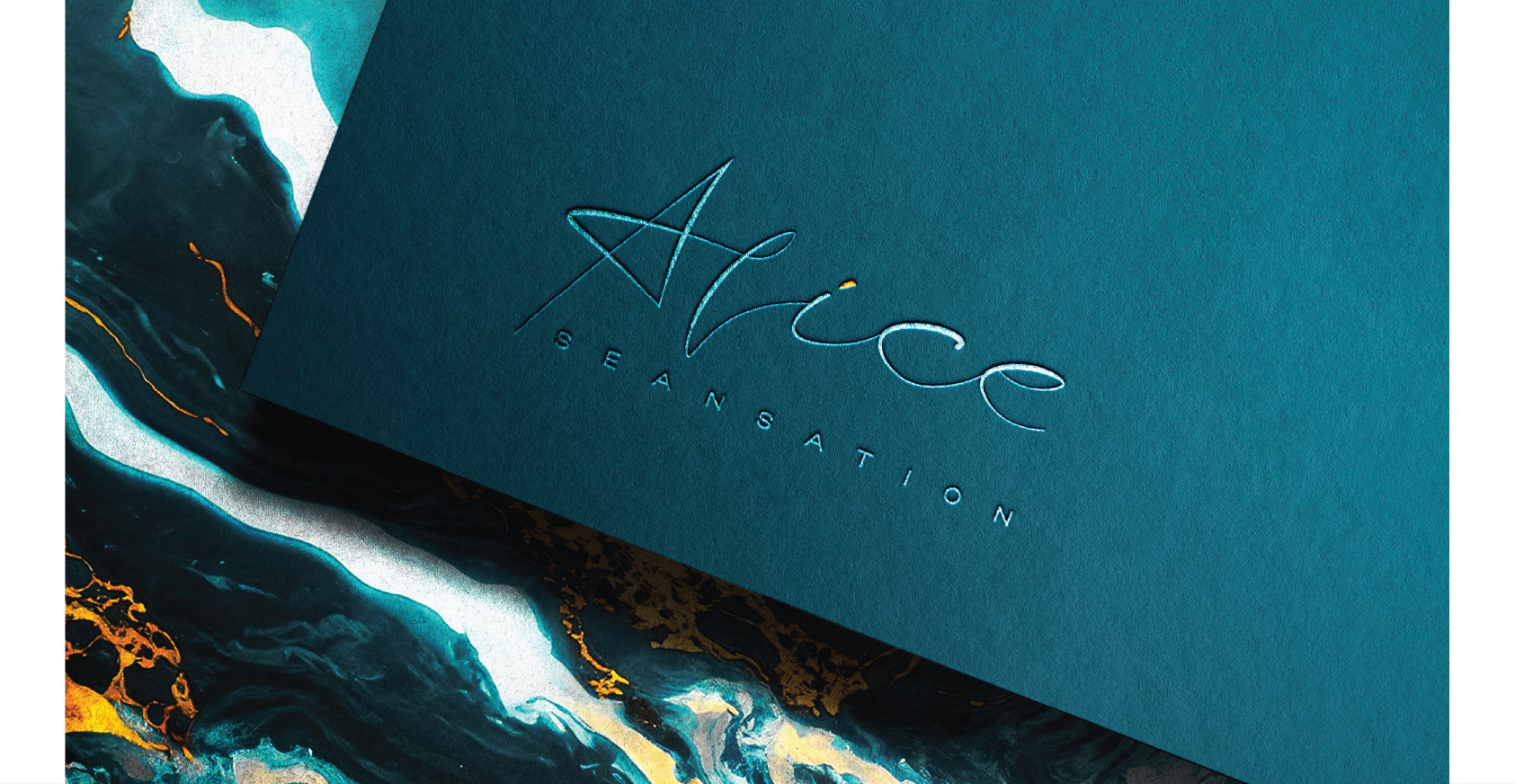
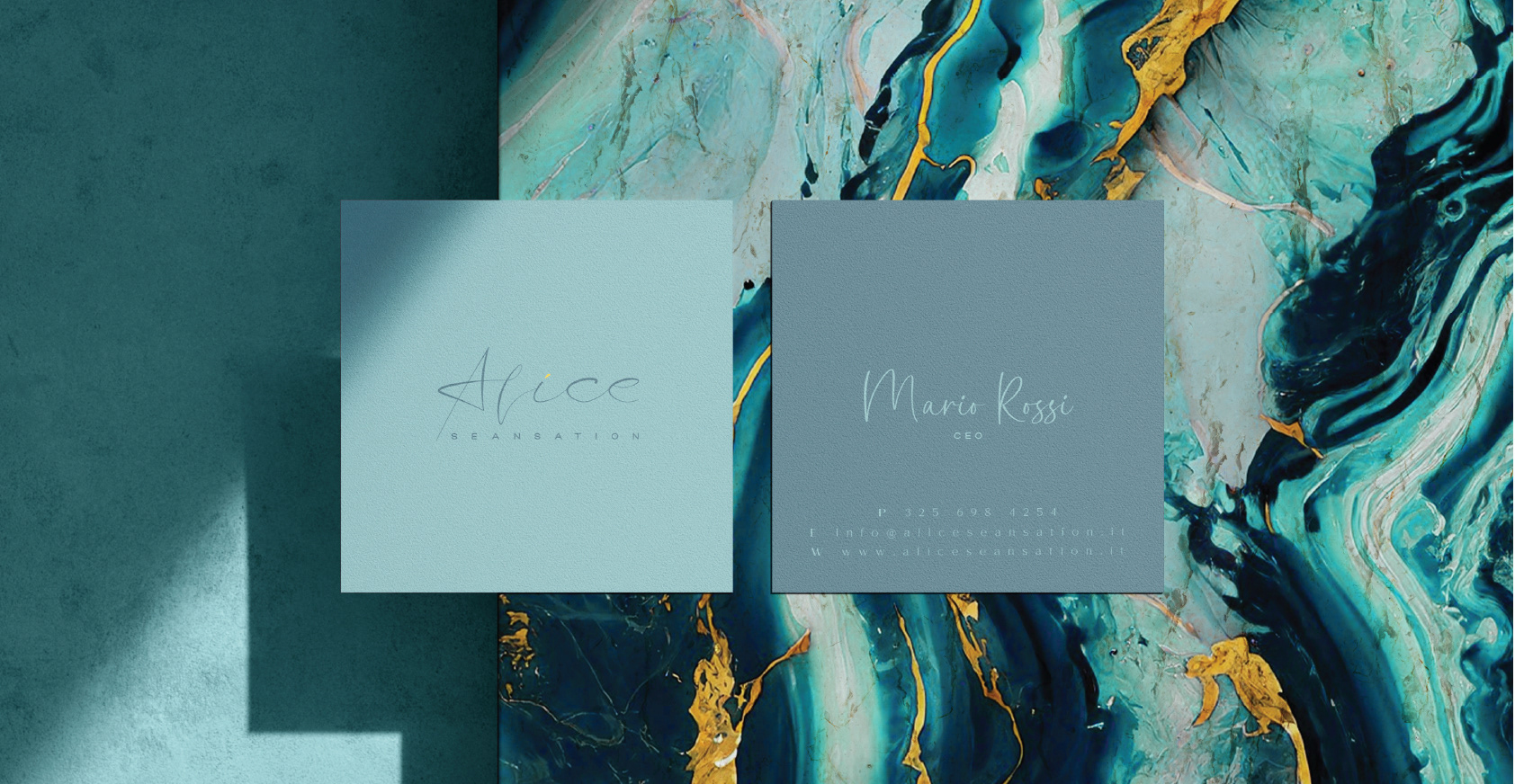
Tactile Applications: The integration of foil-stamped paper goods (menus and business cards) proves the logo's structural integrity and performance across high-end, tactile printing techniques.
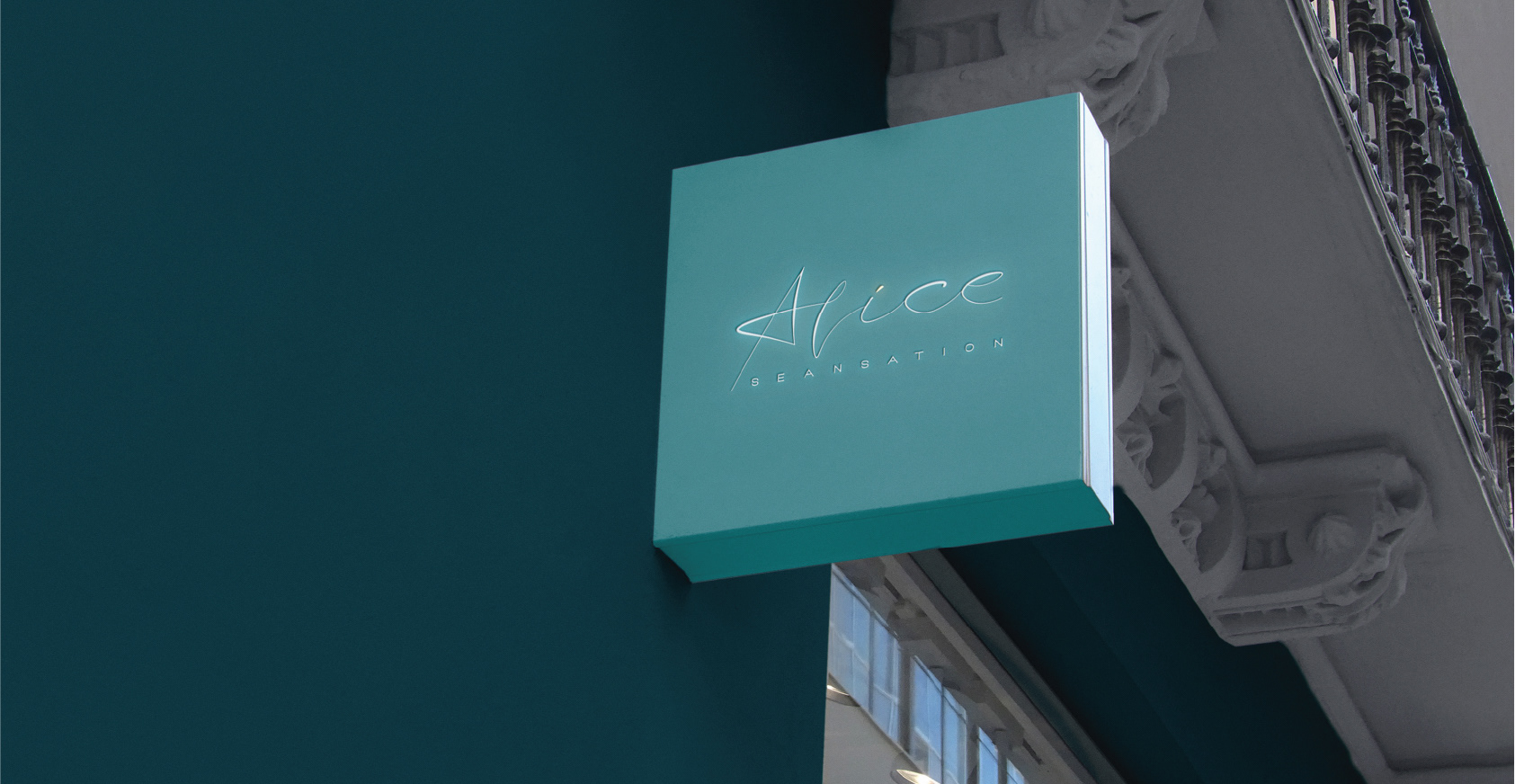
Environmental Signage: The storefront exterior signage demonstrates the mark's high-contrast visibility and practical viability when manufactured into physical, architectural spaces.
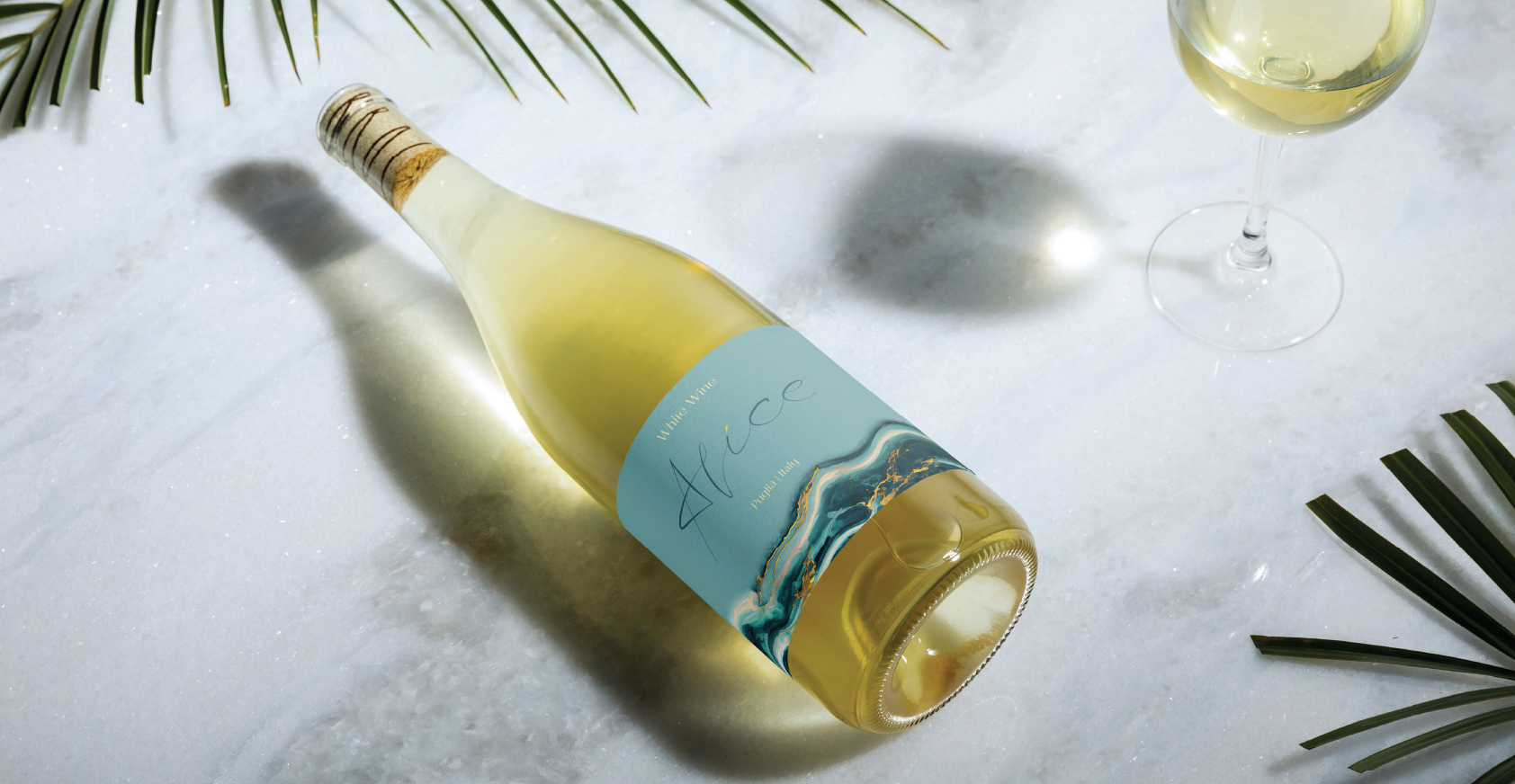
Product Scalability: The branded wine bottle labeling illustrates the identity system's capacity to scale beyond standard restaurant collateral into proprietary, retail-ready product lines.